Choosing the right cable may seem a detail, but it often has a training effect on how systems take place gently, their safety and how long they last. From data signals to electrical energy to industrial cables, different configurations need different specifications.
And it is not only a question of what a cable carries – it is to know where it is going, how flexible it must be and if it will resist heat, movement or interference.
In this article, we will unpack 10 types of cables – which means that each tick, where they are used, and why the size plays such a large role.
1. Ribbon cable (flat cable)
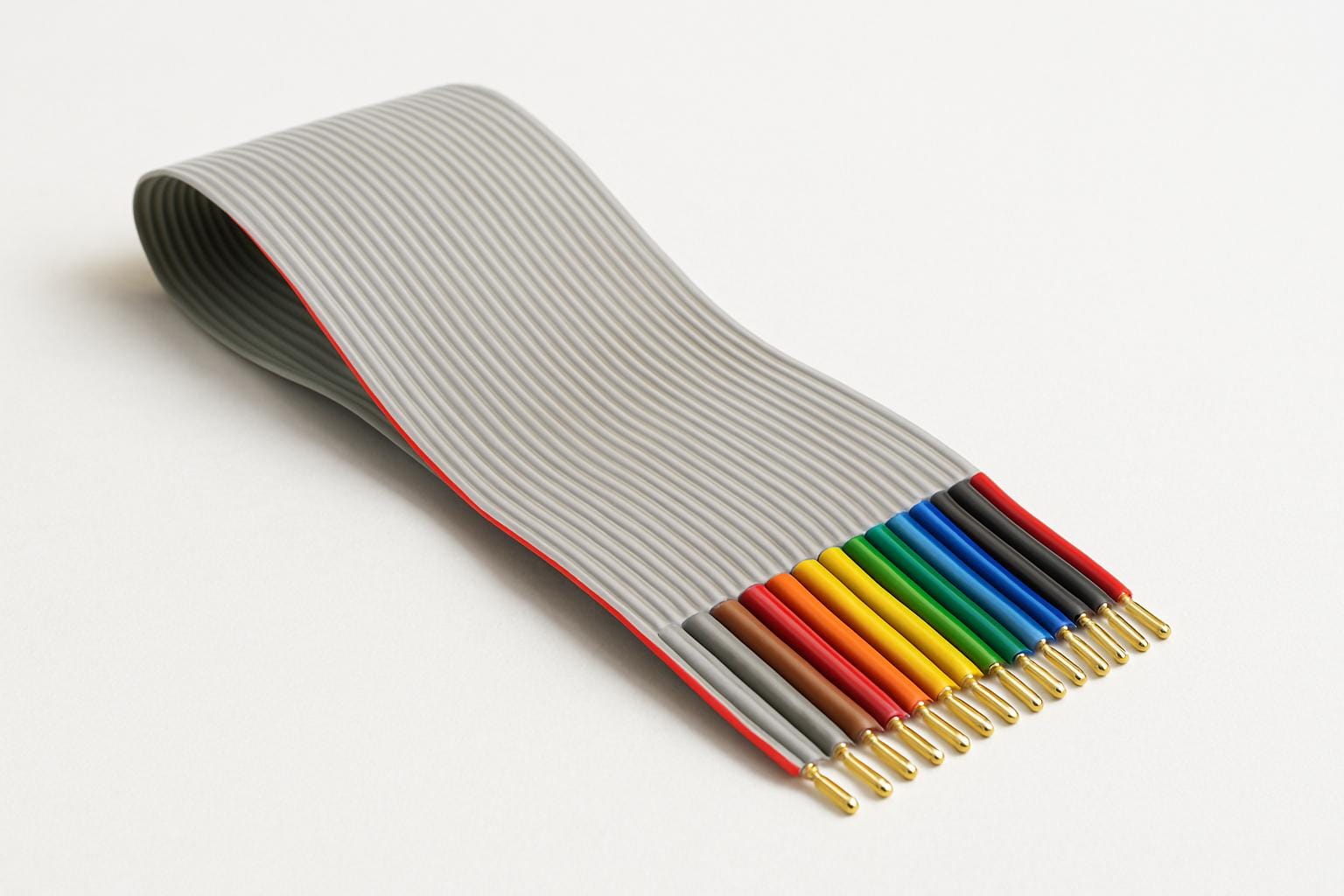
The ribbon cables are flat and wide strips made from several parallel wires – ideal for tight and compact spaces. Their flexible shape and their color coded by color make them easy to install and help out.
You will often see them in:
- Internal computer components
- Control panels
- Testing equipment
They are a neat solution to manage several connections both without the waste of round cables – simple, efficient and reliable for the transmission of the signal in the confined assemblies.
2. Flexible flat cable (FFC)
FFC looks a lot like a ribbon cable at first glance – but there is a subtle change in the design that makes a big difference. Instead of individual wires flowing side by side, FFC is made from laminated flat metal drivers between layers of flexible plastic film.
This structure gives it an incredible offense, it is therefore a popular choice in tight assemblies and moving like foldable devices, cameras or automotive infotainment systems.
Because it is thinner and smoother, FFC often replaces the more voluminous electronic cable options where each millimeter counts. It is tidy, compact and built for movement without damage.
3. Son of rider
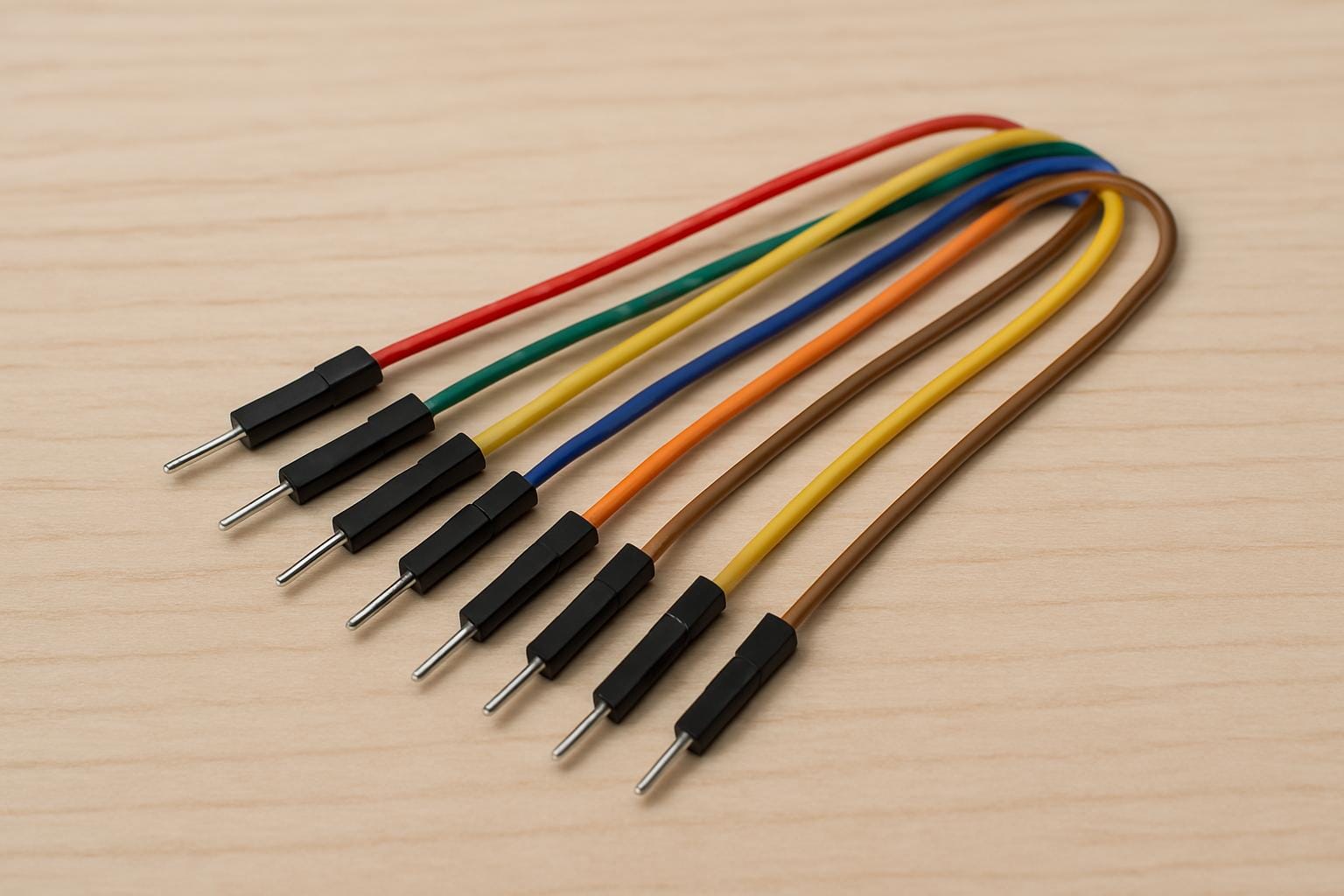
The rider’s wires are the choice for quick and flexible connections during tests and prototyping. You will identify them everywhere on bread boards and test circuits – helping engineers link the components without the need for welding.
These wires are generally assisted with pins or socket connectors, which makes them very practical to use and exchange. They are available in a range of wire gauges – from 28 AWG thinner to 22 larger AWG – according to current or signal needs.
In short, they are not permanent, but they are essential to understand things before the finalization of things.
4. Coaxial cable
The coaxial cable – often just called “coaxial” – has existed for decades, and there is a good reason why it is still going strong. Built with a central driver, an insulating layer, a metal shield and an external case, it is a question of protecting the signals against interference.
This shielding means that Coax manages high frequency signals with less noise, which is why it is used in:
- Lar strip internet
- Video surveillance systems
- Radio transmitters
- TV branches
Its structure helps it stay stable over long distances – something that twisted pair cables do not always manage so. Thus, when the signal clarity is important, the coaxial often prevails.
5. Twisted pair cable
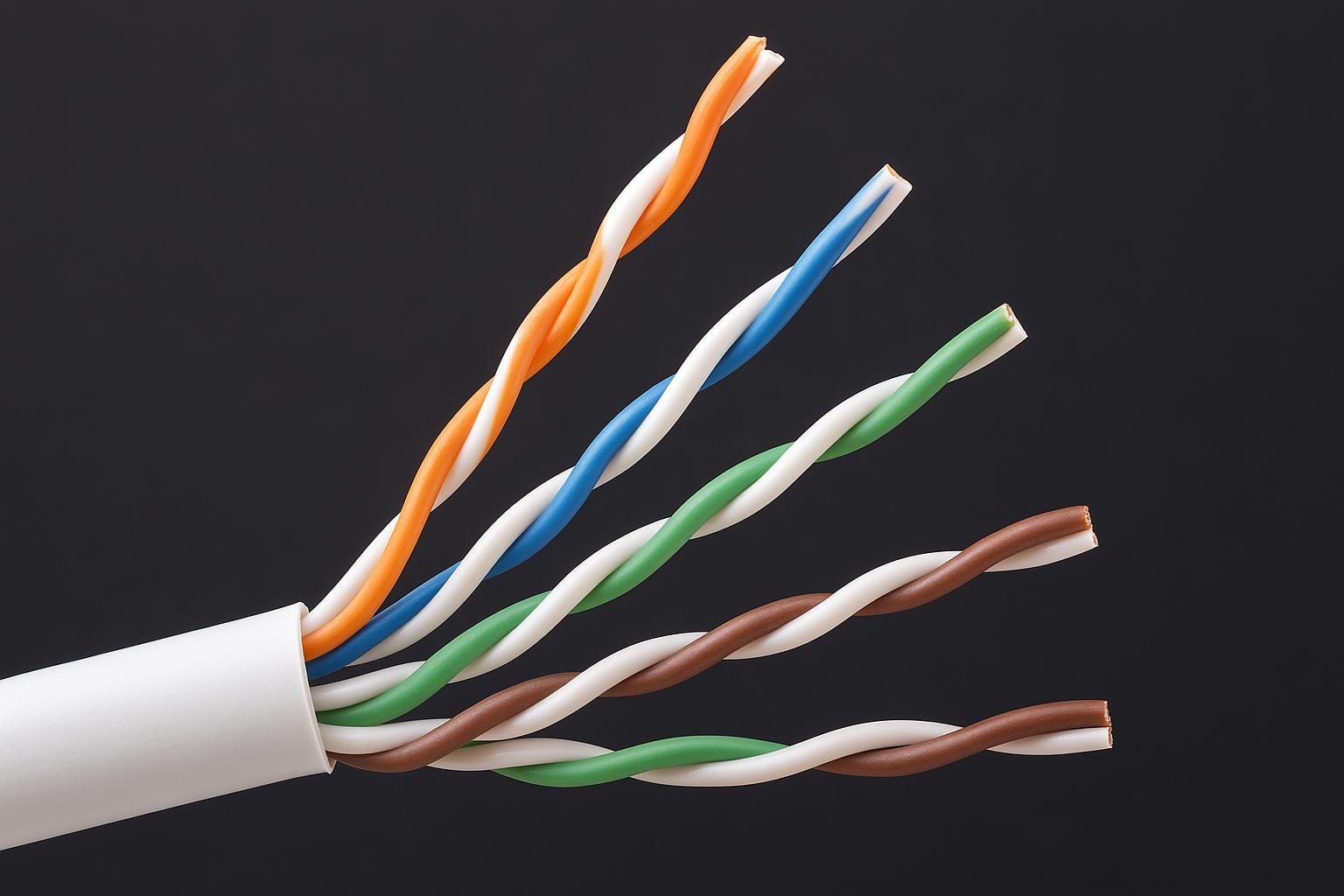
The twisted pair cables help reduce interference – you have guessed it – to twist the wires together. This simple design helps signals to remain cleaner on short distances.
They are everywhere in telecommunications and networking, such as:
- Ethernet (cat5e, cat6)
- Telephone lines
- Audio configuration
They are cheaper and easier to install than CAX, although they do not offer the same armor. However, for many data and vocal applications, the twisted pair is more than capable – especially when the budget and simplicity count.
6. Power cable (3 commodity)
The three -driver’s power cables are what most people imagine when you think of a standard electric cable – one for live, one for neutral and one for the earth. This additional land setting plays an important role in strengthening systems and shock prevention.
You will spot these cables in everything, household caps for industrial machines. The insulation varies depending on the adjustment – more difficult exterior jackets for factories, more flexible for portable equipment.
The specifications of the power cable tend to focus on current capacity, the voltage rating and the type of insulation – all this necessary when it transports the load.
7. IDC cable (insulation travel connector)
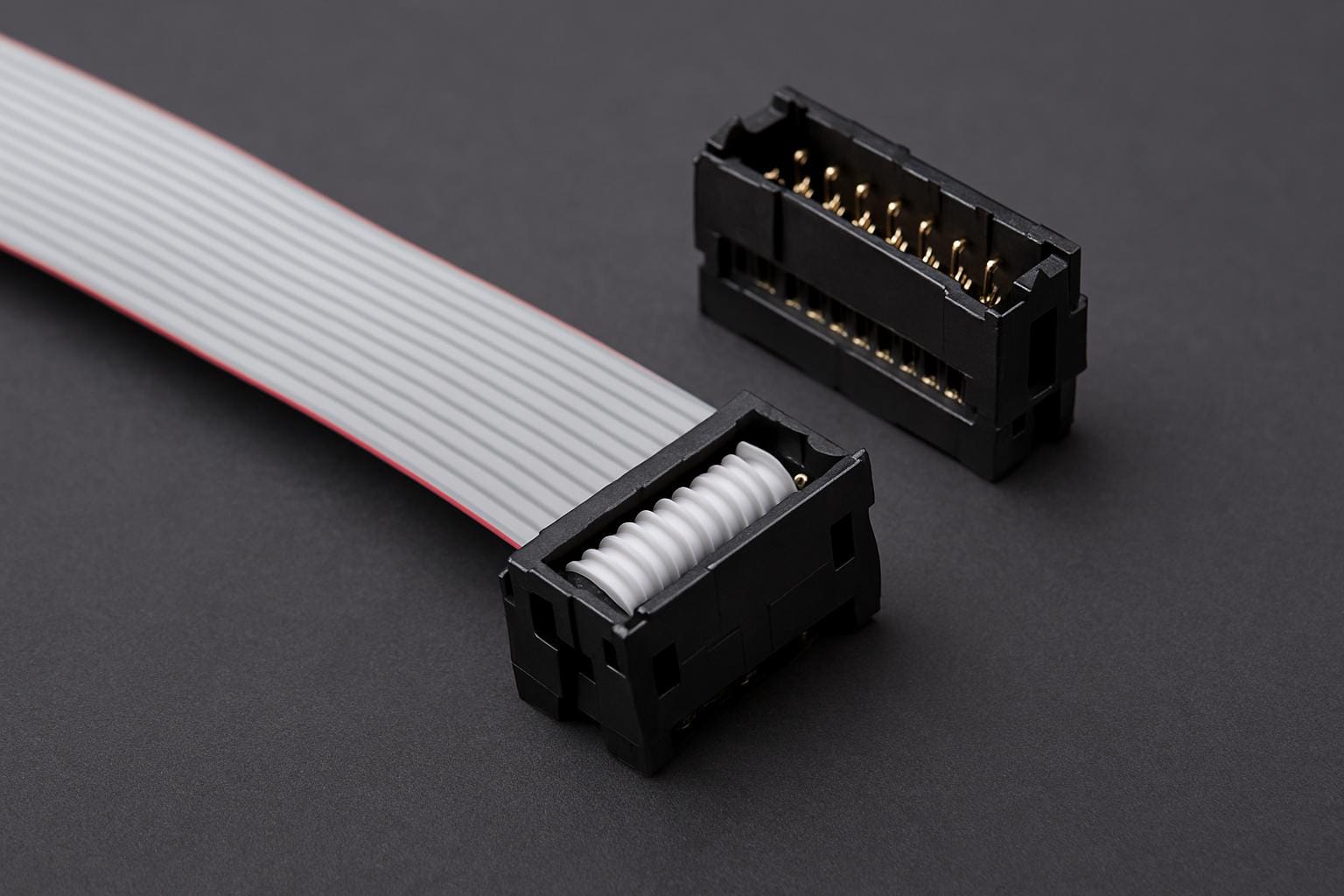
IDC cables are not really a type of cable by themselves – it is more how the connection is established. Instead of stripping the threads and playing with the welding, the IDC connectors inform directly in the insulation of the cable to get in touch with the driver.
They are often used with ribbon cables, in particular interior control panels and computer equipment, as they save time and keep the coherent connections.
The main advantage? Quick assembly without sacrificing reliability, which is practical when you wire dozens (or hundreds) of connections in one go.
8. Servo cable
Servo cables are built for movement – literally. They are used to connect servomotors in automation configurations, CNC machines and robotics, where a constant movement is part of the work.
These cables are specially designed to manage flexion, vibrations and repeated vibrations and flexions without wear out. You will often find a combination of power and signal wires inside, armored to reduce noise between engine control systems and feedback.
Sustainability and flexibility count more here than anything else – if a servo cable fails in mid -operation, it is not only discomfort, it can stop a whole process.
9. Silicone rubber cable
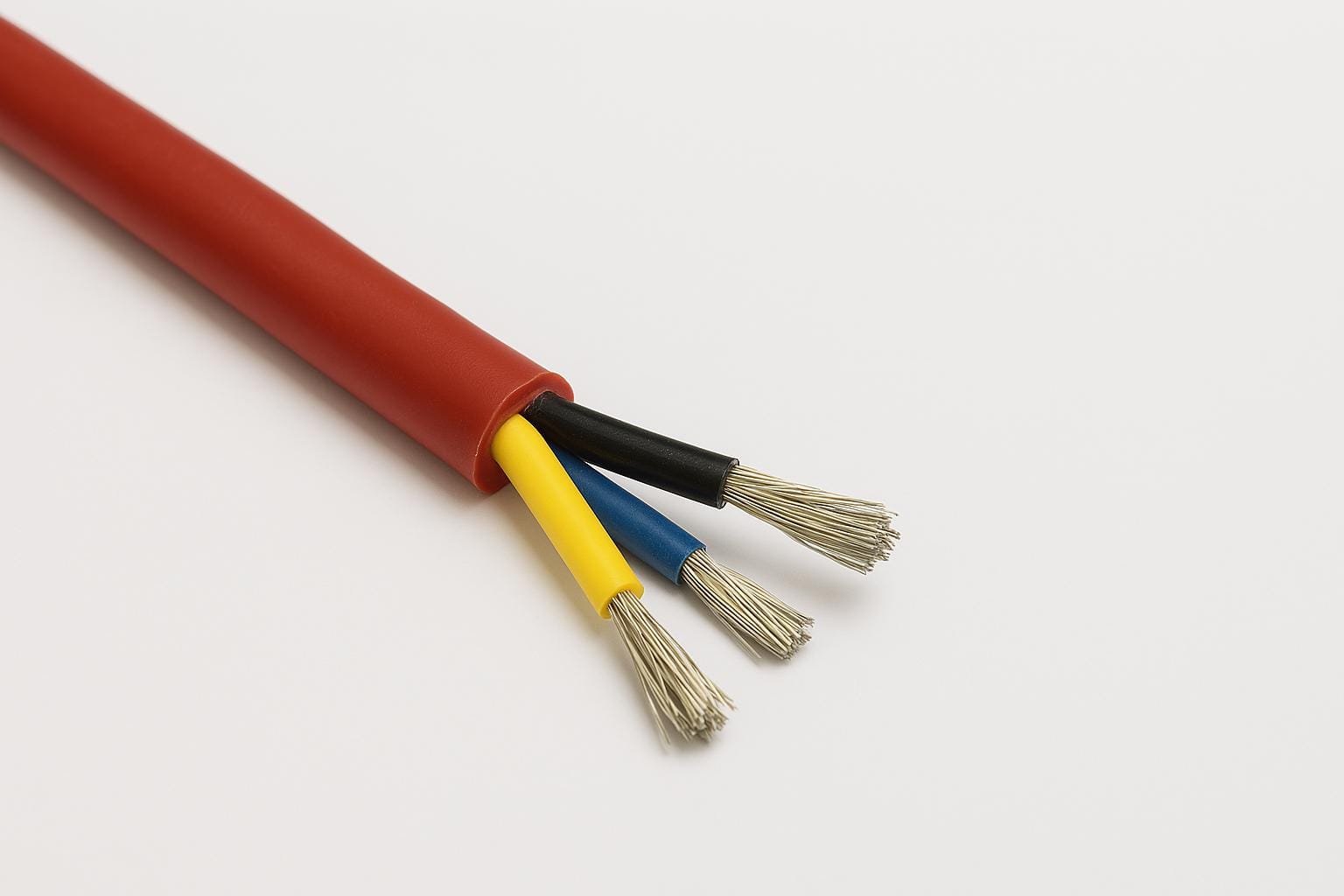
Silicone rubber cables are built to have the heat – literally. They are known for their ability to manage extreme temperatures without cracking, melting or losing flexibility.
Used in places such as steelworks, ovens or high temperature testing environments, they continue to work where most cables are abandoning. Their insulation remains flexible even in freezing conditions, making it a good adjustment for both ends of the temperature spectrum.
They are often chosen not only for performance, but for safety, especially when thermal resistance is not negotiable.
10. Coaxial microphone cable
The micro coaxial cables pack the same structure as the ordinary coaxial – just in a much smaller set. They have become the choice for devices where space is tight, but the quality of the signal cannot take a hit.
Think of medical imaging tools, smartphones or inspection cameras – where flexibility and miniaturization have as much as performance. Despite their size, they always manage solid shielding and the handling of high frequency signals.
These cables are generally among the assemblies where precision is the key and any electrical noise could reject things. Tiny, well tidy and surprisingly hard.
Cables may not draw attention, but they keep quietly together. The type and size you choose affect the safety, efficiency and long -term performance.
From signal clarity to stress sustainability, every detail is more important than you think. This is why having the right cable for work can save time, money and hassles, and I hope that this electric cable guide helped you along the way.
Altimex offers a wide selection of high -performance cables to match all the specifications with which you work. Need help to find the right fit? Contact us – We are here to make things easier.
The types of post-10 cables and sizes explained appeared first on Altimex.
Barber
Berita Olahraga
Lowongan Kerja
Berita Terkini
Berita Terbaru
Berita Teknologi
Seputar Teknologi
Berita Politik
Resep Masakan
Pendidikan
Berita Terbaru
Berita Terbaru
Berita Terbaru