THE CANADIAN PRESS / COC ANDRÉ FORGET
Some Olympic moments make headlines forever. Others pass more discreetly, but remain unforgettable for the fans who saw them.
Beyond the front pages and the most famous gold medals, there are also remarkable performances, unexpected feats and powerful stories of resilience worth remembering. Here are some Canadian Olympic moments that left a lasting impression, even if they sometimes went unnoticed.
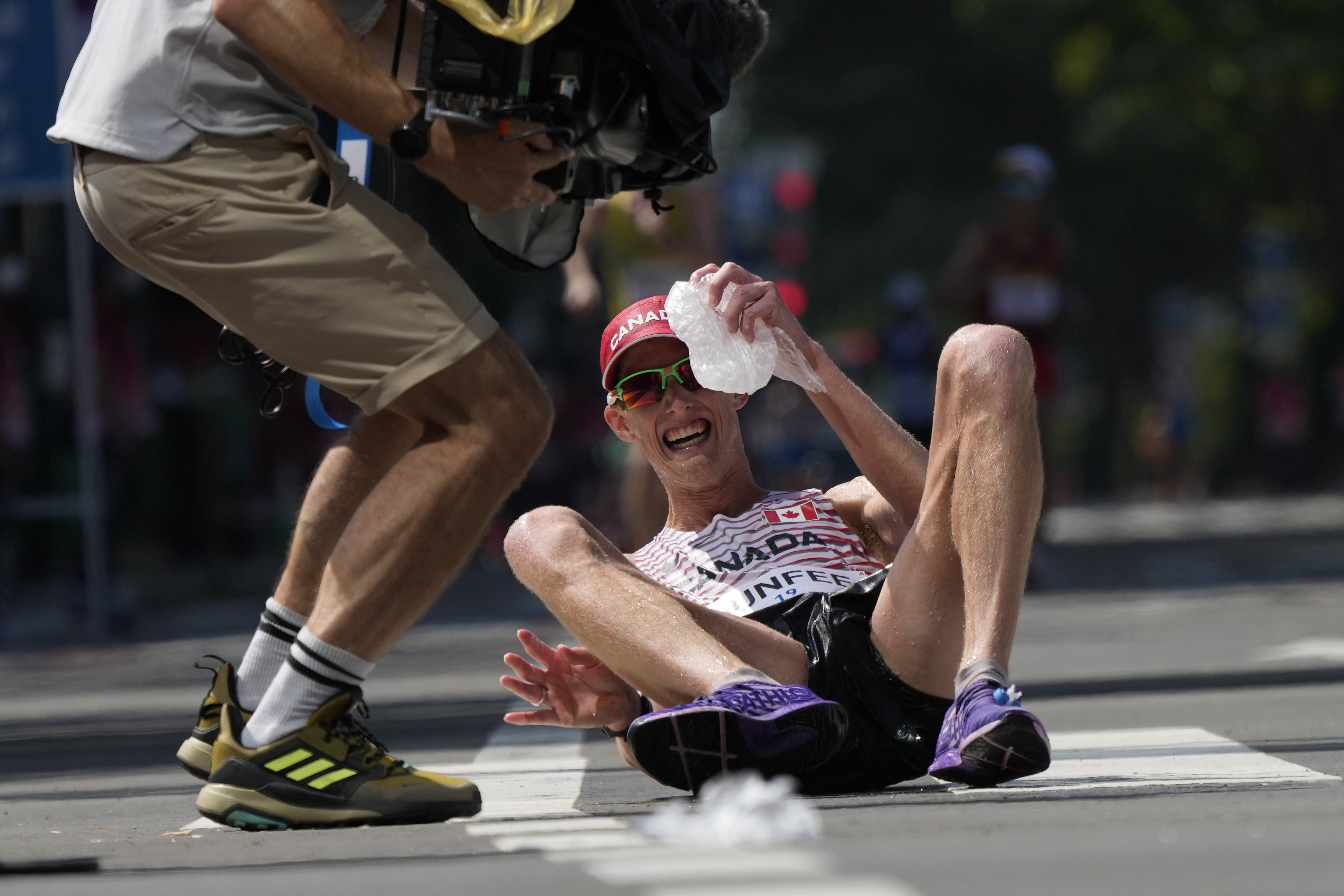
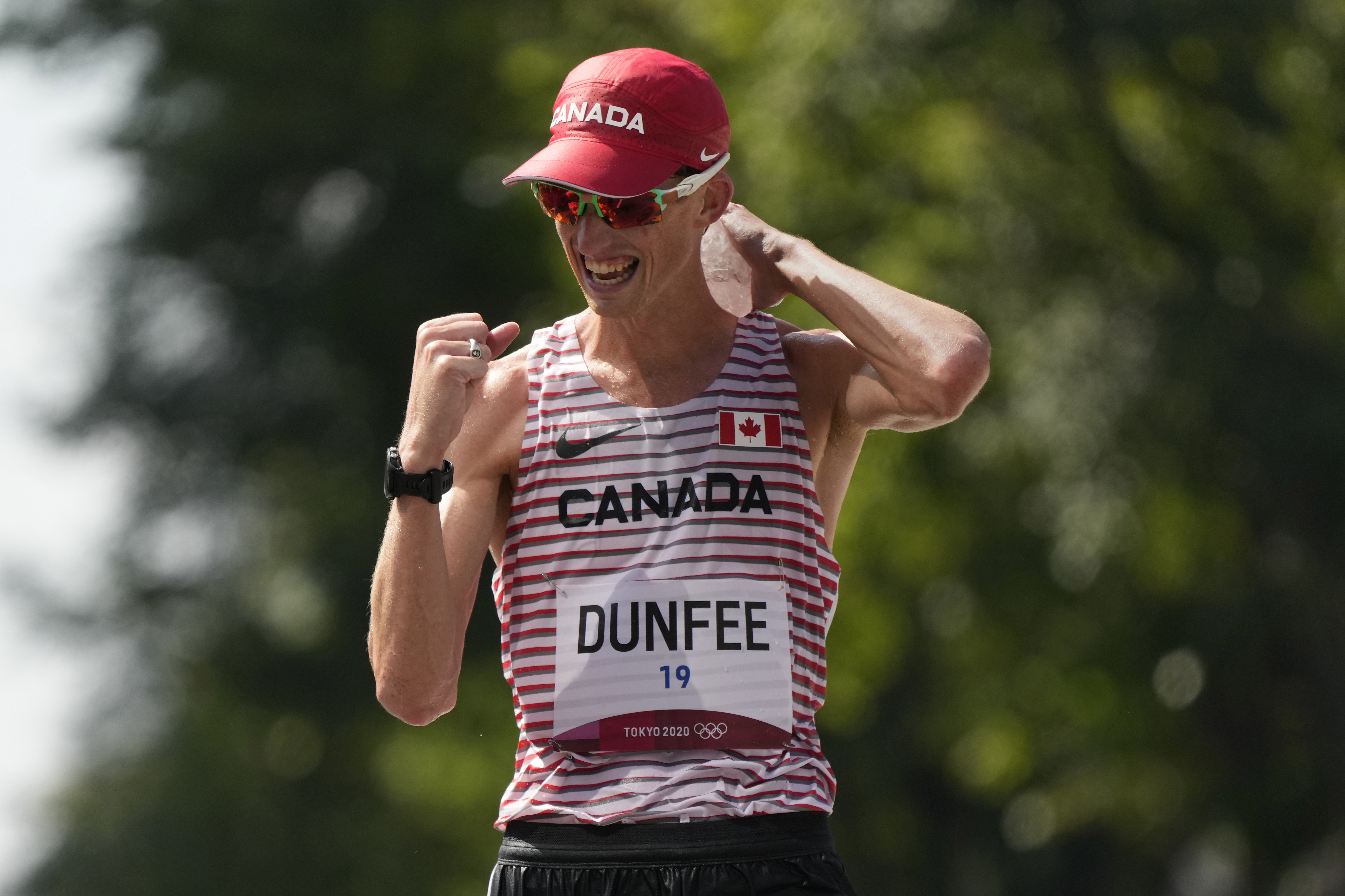
Evan Dunfee heads for historic bronze – Tokyo 2020
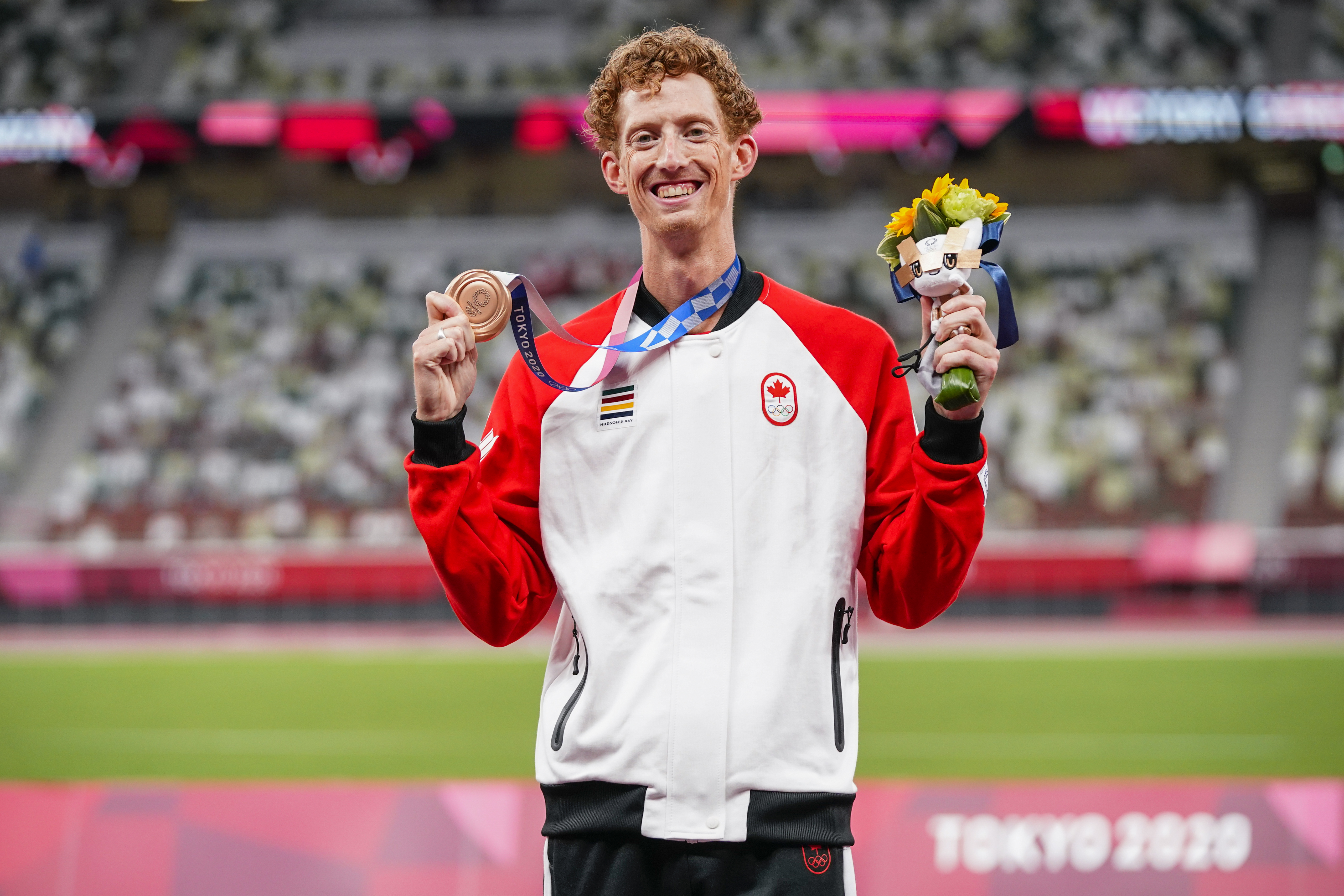
In one of the toughest performances of the Tokyo Games, Evan Dunfee fought his way to a historic bronze medal in the men’s 50km race walk. Battling exhaustion in the closing stages, he refused to let the podium slip away by pushing the pace when it mattered most and seizing his moment in the final stretch. Her breakthrough not only earned Canada its first Olympic medal in the event, but also made history in the event’s final Olympic appearance.
-
Evan Dunfee of Canada celebrates after crossing the finish line third in the men’s 50 km race walk at the 2020 Summer Olympics, Friday, Aug. 6, 2021, in Sapporo, Japan. (AP Photo/Shuji Kajiyama) -
Evan Dunfee of Canada celebrates after crossing the finish line third in the men’s 50 km race walk at the 2020 Summer Olympics, Friday, Aug. 6, 2021, in Sapporo, Japan. (AP Photo/Shuji Kajiyama) -
Canada’s Evan Dunfee receives his bronze medal after placing third in the men’s 50 km walk during the Tokyo 2020 Olympic Games, Saturday, August 7, 2021. Photo by Mark Blinch/COC
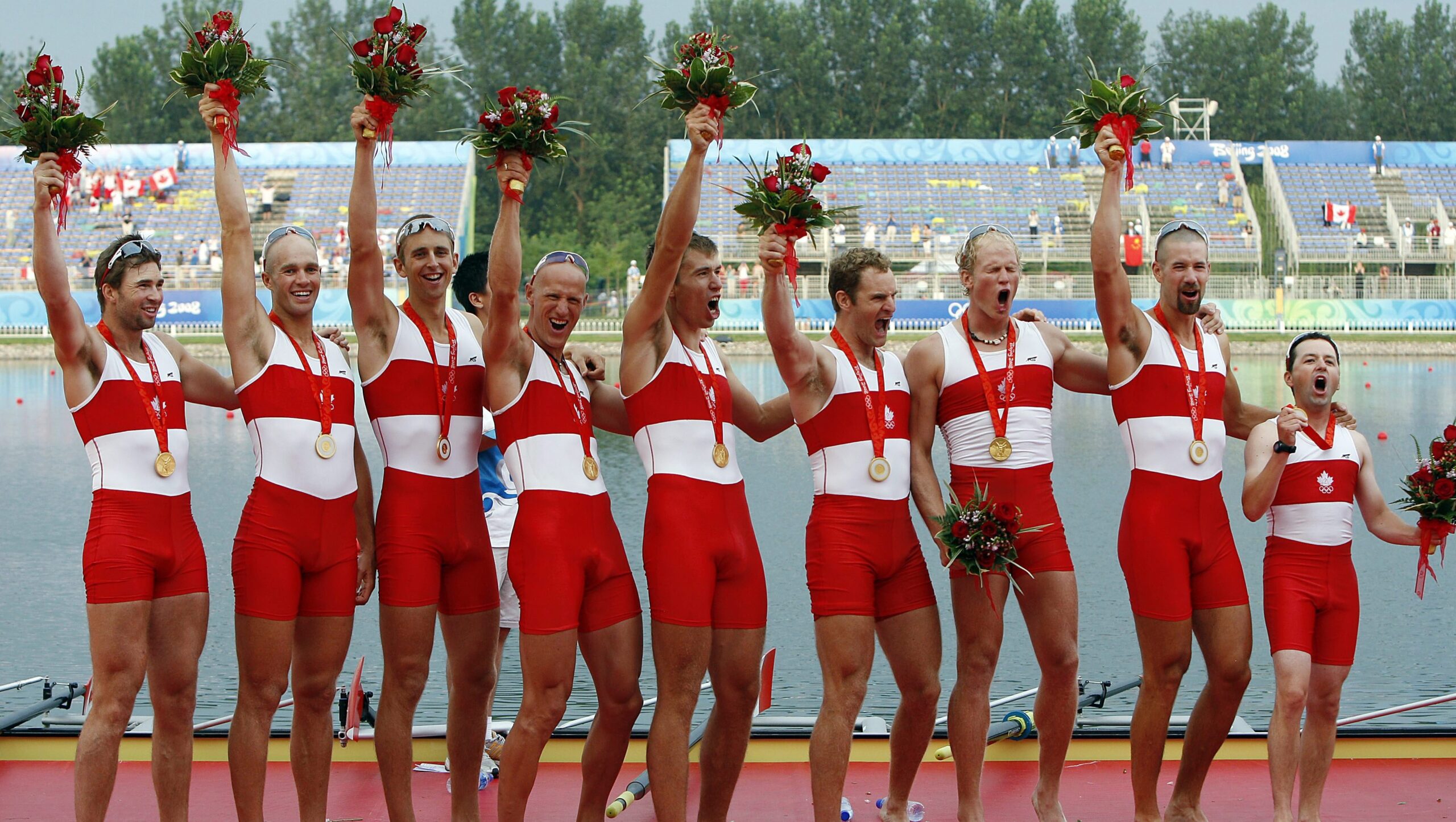
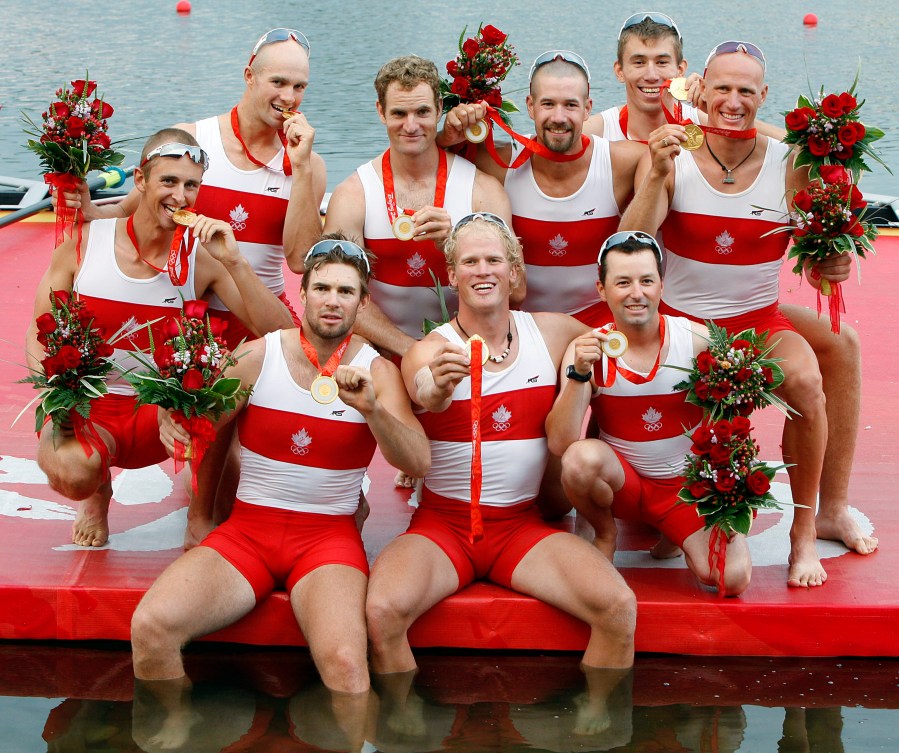
Gold redemption in the men’s eight – Beijing 2008
At Beijing 2008, Canada’s men’s eight rowing team produced a race of remarkable precision. From the start, the crew under the leadership of helmsman Brian Price set a steady pace, remaining perfectly synchronized stroke after stroke. In the last 500 meters, they pushed even harder to break away from their rivals and crossed the finish line first. Five of the nine men on the boat were looking to erase the bad taste of their fifth place four years earlier. This gold medal rewarded years of preparation and perfectly showcased the strength of Canadian teamwork.
Kyle Shewfelt and Lori-Ann Muenzer win historic gold medals – Athens 2004
At Athens 2004, Kyle Shewfelt made artistic gymnastics history. In the floor exercise final, he performed a near-perfect routine, combining high difficulty and precise execution. Facing experienced rivals, he kept his cool and landed with minimal errors, edging out the favorites to become Canada’s first Olympic champion in the sport.
At the same Games, Lori-Ann Muenzer shone in track cycling. A sprint specialist, she relied on her power and tactical sense throughout the competition. She also relied on good sportsmanship, racing on wheels she borrowed from the French and Australian teams after both of her tires blew out. In the final, she managed her effort and her positioning to perfection, striking at the decisive moment to take the advantage. Her victory made her Canada’s first Olympic champion in track cycling and the 38-year-old became a prime example of true perseverance.
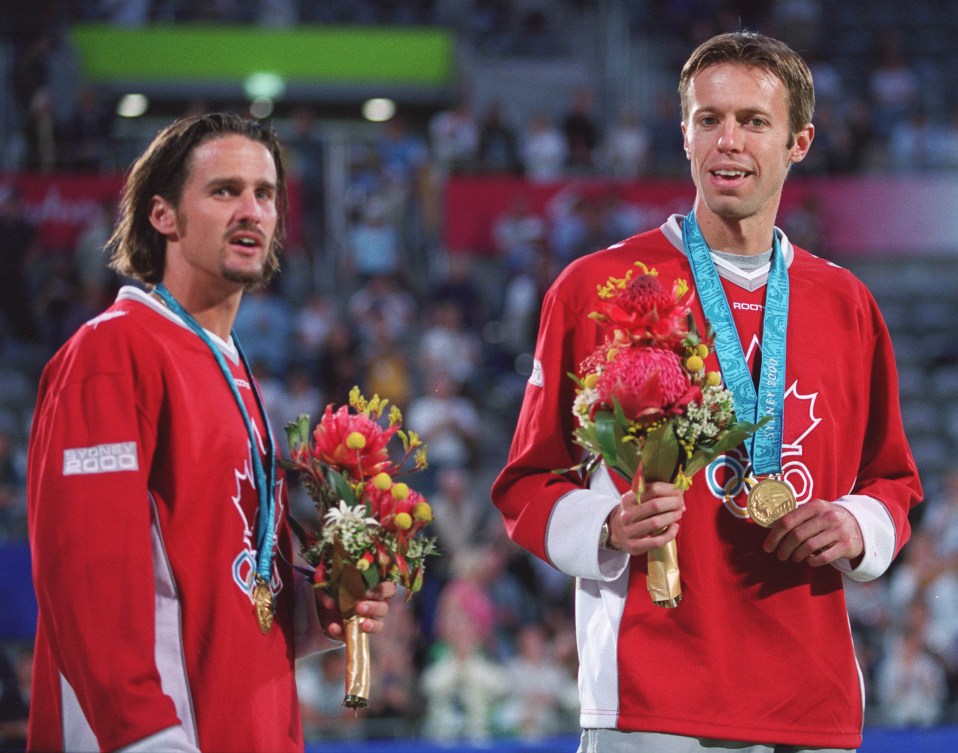
Daniel Nestor and Sébastien Lareau beat local favorites – Sydney 2000
At Sydney 2000, Daniel Nestor and Sébastien Lareau achieved one of the greatest achievements in Canadian tennis. They had each left successful international partnerships earlier in the year in pursuit of an Olympic medal. Having reached the men’s doubles final, the only thing separating them from gold was local favorites and top seeds ‘Woodies’, Australians Todd Woodbridge and Mark Woodforde. In an intense match, the Canadians came back from a set down to win three straight, capturing Canada’s first and so far only Olympic gold medal in tennis.
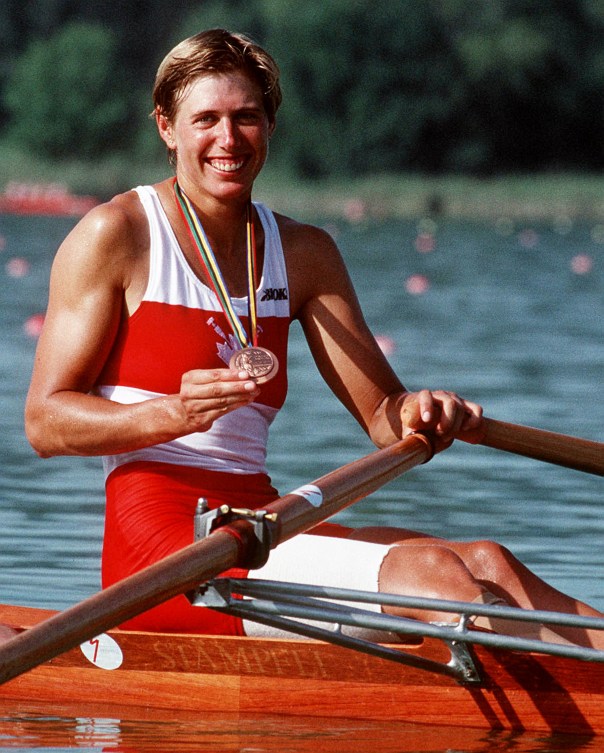
The remarkable resilience of Silken Laumann – Barcelona 1992
Canada was a rowing powerhouse at Barcelona 1992, winning four gold medals in both the women’s eight and men’s eight. But it was bronze medalist Silken Laumann who created one of the most memorable moments of the Games in any sport. After a serious accident just weeks before the Olympic regatta, which broke her right leg, she was told she would never row again. Against all odds, she returned in time to compete, still needing a cane to walk across the dock to her boat. In an emotional finale, she dug deep to win a bronze medal in the women’s single scull. His courage and resilience left a lasting impression.
Double gold medal for Carolyn Waldo – Seoul 1988
The final week of the 1988 Seoul Olympics was a whirlwind for Team Canada fans. In the middle of it all was Carolyn Waldo, who arrived at the pinnacle of her synchronized (now artistic) swimming career. Between Ben Johnson’s disqualification on the track and Lennox Lewis’ victory in the boxing ring, Waldo won two gold medals. In the solo event, she took an insurmountable lead in the preliminary round (numbers) and confirmed it with an almost perfect final routine. In the duet, his chemistry with partner Michelle Cameron resulted in a second gold medal, capping off years of hard work and making Canada a powerhouse in the sport.
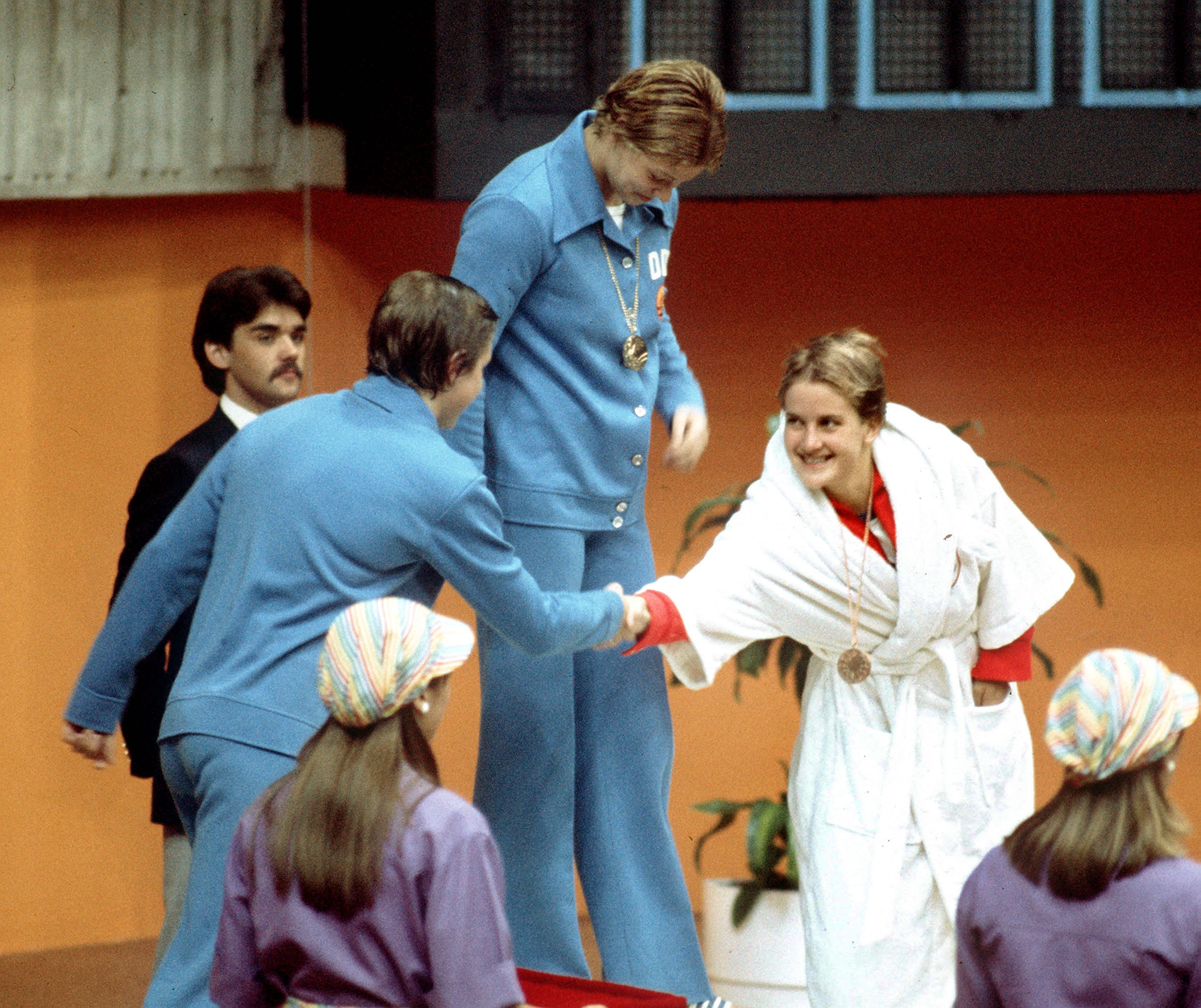
NBack bronzes of Ancy Garapick – Montreal 1976
Already an experienced swimmer and former world record holder at just 14 years old, Nancy Garapick was one of Canada’s leading medal hopes at Montreal 1976, the first Olympic Games held on Canadian soil. Competing in front of her home crowd and under intense pressure, she delivered a strong performance in the women’s 100m backstroke to win her first bronze medal.
A few days later, she repeated the feat in the 200m backstroke. She stood on the third step of the podium alongside the same East German swimmers who had dominated the 100m and were later revealed to have been subject to a state-sponsored doping program. Unfortunately, Garapick would not have the chance to win any more Olympic medals, in part due to Canada’s boycott of the 1980 Moscow Games.
Elaine Tanner proves powerful – Mexico 1968
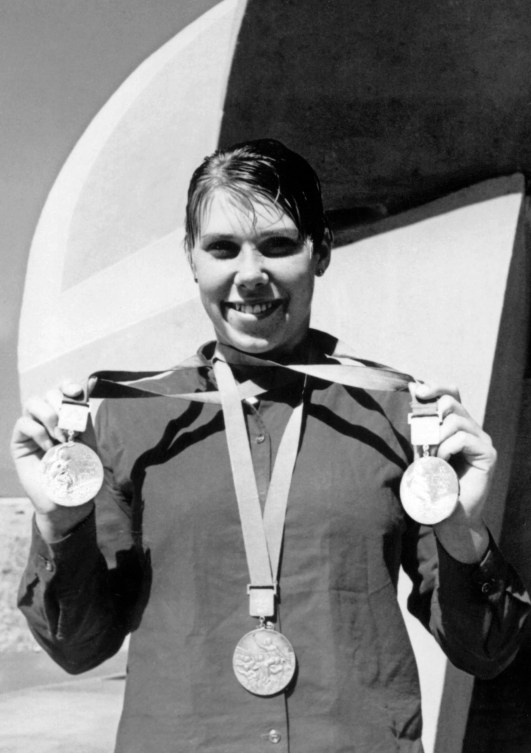
At just 17 years old, Elaine Tanner arrived at the 1968 Mexico Olympics as one of Canada’s best gold medal hopes. The young swimmer nicknamed “Mighty Mouse” was putting immense pressure on her small shoulders. She became the first Canadian to win an Olympic medal in swimming by winning three of Canada’s five medals at the Games: silver in the women’s 100m and 200m backstroke events as well as a bronze medal in the women’s 4x100m freestyle relay. This was an exceptional achievement. But rather than being celebrated, she received negative press with headlines like “Tanner Loses Gold!” “. Deeply affected, she soon after walked away from competitive swimming and went through a long period of depression. Decades later, she has become a mental health advocate and holistic health counselor.
PakarPBN
A Private Blog Network (PBN) is a collection of websites that are controlled by a single individual or organization and used primarily to build backlinks to a “money site” in order to influence its ranking in search engines such as Google. The core idea behind a PBN is based on the importance of backlinks in Google’s ranking algorithm. Since Google views backlinks as signals of authority and trust, some website owners attempt to artificially create these signals through a controlled network of sites.
In a typical PBN setup, the owner acquires expired or aged domains that already have existing authority, backlinks, and history. These domains are rebuilt with new content and hosted separately, often using different IP addresses, hosting providers, themes, and ownership details to make them appear unrelated. Within the content published on these sites, links are strategically placed that point to the main website the owner wants to rank higher. By doing this, the owner attempts to pass link equity (also known as “link juice”) from the PBN sites to the target website.
The purpose of a PBN is to give the impression that the target website is naturally earning links from multiple independent sources. If done effectively, this can temporarily improve keyword rankings, increase organic visibility, and drive more traffic from search results.